Call us now :07313725994
 Send Inquiry
 Send Inquiry
Filter Paper
Price 14 INR/ Square Meter
MOQ : 1 Piece
Filter Paper Specification
- Length
- Customized / Various Sizes
- Surface Treatment
- Smooth Surface
- Hole Shape
- Square Hole
- Aperture
- Micron-rated (varies by grade)
- Product Type
- Wire Cloth
- Material
- Other
- Application
- Filters, Food Industry
- Dimensions
- Circular / Custom Sizes
- Weight
- Lightweight (varies by grade, e.g., 80 gsm to 150 gsm)
- Color
- White
- Usage
- Single-use, disposable
- Shape
- Round or Pre-folded (cone/flat)
- Thickness
- Typically between 0.15 mm to 0.25 mm
- Diameter
- Common sizes: 42 mm, 90 mm, 110 mm, 125 mm, 150 mm, or custom sizes
- Ash Content
- Low Ash (<0.07%) or Ashless (for quantitative analysis)
- Grade
- Qualitative or Quantitative
- Filtration Speed
- Fast, Medium, or Slow (depending on grade)
- pH Compatibility
- pH Neutral / Suitable for most solutions
- Packing Type
- Boxes or plastic wrap
Filter Paper Trade Information
- Minimum Order Quantity
- 1 Piece
- Payment Terms
- Cash on Delivery (COD), Cash in Advance (CID), Cheque, Cash Advance (CA)
- Supply Ability
- 100 Pieces Per Day
- Delivery Time
- 1 Days
- Main Export Market(s)
- Australia, Central America, North America, South America, Eastern Europe, Middle East, Africa, Western Europe, Asia
- Main Domestic Market
- All India
About Filter Paper
Filter paper is a semi-permeable paper used to separate solid particles from liquids or gases through the process of filtration. It consists of pressed fibers with tiny pores, so liquids and gases can pass through while solids are trapped on the paper. Filter paper is available in various types, such as general-purpose cellulose, glass fiber for high temperatures, and special types for quantitative and qualitative analysis.
How it works
- A mixture of solids and liquids is poured onto the filter paper, which is usually folded into a cone and placed in a funnel.
- The liquid, or filtrate, passes through the pores of the filter paper and is collected in a container below.
- The solid particles, called the residue, are too large to pass through and remain on the filter paper.
Types of filter paper
- Cellulose filter paper: A common, general-purpose paper made from cotton or wood pulp.
- Glass fiber filter paper: Used for high-temperature applications.
- Polypropylene filter paper: Used for ultra-clean filtration needs.
- Qualitative filter paper: Used for general-purpose, non-quantitative separation where the exact weight of the retained solid is not critical.
- Quantitative filter paper: Used for precise measurements like gravimetric analysis, where the filter paper is ashless and must not contribute to the residue's weight.
Applications
- Laboratory work: Separating precipitates from solutions in chemical analysis.
- Food and beverage industry: Filtering coffee, separating oils and grease from food, and in Soxhlet extraction setups.
- Medical diagnostics: Separating blood components like plasma from cells.
Versatile Filtration Performance
Offering fast, medium, and slow filtration grades, these filter papers cater to a variety of laboratory and industrial requirements. The ability to choose filtration speed ensures optimal performance whether precise analytical results or routine separations are needed.
Precision Engineering and Compatibility
Manufactured to be pH neutral and low in ash content, the filter paper supports chemical compatibility with most solutions and accurate quantitative analyses. Its micron-rated aperture and lightweight design provide reliable, consistent results across diverse applications.
Flexible Sizing and Formats
With diameters ranging from 42 mm to 150 mm and custom sizes/shapes available, these filter papers accommodate various apparatus and workflow demands. Customers can select round or pre-folded options in either boxes or plastic wrap, enhancing convenience and storage.
FAQ's of Filter Paper:
Q: How do I select the appropriate filtration speed for my application?
A: The filtration speed-available as fast, medium, or slow-depends on the nature and viscosity of the solution and the level of particulate removal needed. Fast grades are ideal for coarse particles or rapid filtration, while medium and slow types are suitable for finer separations or precision work like quantitative analysis.Q: What grade of filter paper should I use for quantitative analysis?
A: For quantitative chemical analysis, an ashless grade with less than 0.007% ash content is recommended. Ashless filter papers are designed to leave minimal residue after combustion, ensuring the accuracy of analytical results.Q: Where can I purchase filter paper in custom sizes or shapes in India?
A: Both standard and custom-sized filter papers are available from leading distributors, manufacturers, suppliers, and traders throughout India. Be sure to specify your required diameter, length, or special shape (such as pre-folded) when ordering.Q: What solutions are compatible with these filter papers?
A: The filter paper is pH neutral, making it suitable for most aqueous solutions, chemicals, and samples common in laboratories or industrial processes. However, avoid extremely acidic or caustic solutions outside the standard pH range to prevent paper degradation.Q: How should I dispose of used filter paper after filtration?
A: Since the filter papers are single-use and disposable, discard them after use according to the waste management guidelines that govern your facility. For hazardous or chemical residues, follow the appropriate disposal procedures for laboratory waste.Q: What benefits does a smooth surface and micron-rated aperture provide?
A: A smooth surface ensures consistent filtration by minimizing clogging and uneven flow, while micron-rated apertures allow precise control over the size of particles filtered. This ensures reproducible and reliable filtration outcomes for both qualitative and quantitative applications.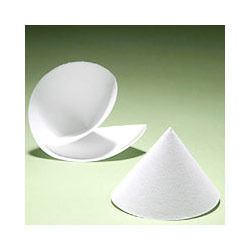
Tell us about your requirement

Price:
Quantity
Select Unit
- 50
- 100
- 200
- 250
- 500
- 1000+
Additional detail
Mobile number
Email

More Products in Filter Division Category
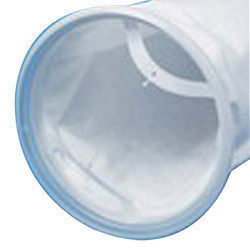
Paint Filter Cloth
Price 10 INR / Square Meter
Minimum Order Quantity : 1 Piece
Application : Food Industry
Hole Shape : Round Hole Triangle Hole
Surface Treatment : Polished
Product Type : Wire Cloth
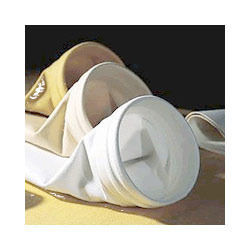
Filter Cloth & Bags
Price 15 INR / Square Meter
Minimum Order Quantity : 1 Piece
Application : Food Industry
Hole Shape : Square Hole
Surface Treatment : Painted
Product Type : Wire Cloth
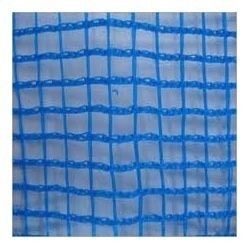
HDPE Mesh
Price 13 INR / Square Meter
Minimum Order Quantity : 1 Piece
Application : Decoration, Food Industry
Hole Shape : Square Hole
Surface Treatment : Painted
Product Type : Wire Mesh
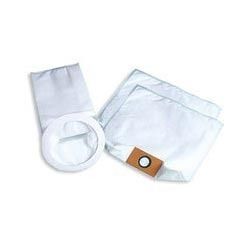
Non Woven Filtration Media
Price 15 INR / Square Meter
Minimum Order Quantity : 1 Piece
Application : Filters
Hole Shape : Square Hole
Surface Treatment : Other, Thermally Bonded / Heat Sealed
Product Type : Wire Cloth

 Send Inquiry
Our Products
- Agro Shade Net
- Cloth Tape
- Filteration Item
- Industrial Mesh
- Safety Net
- Shaft Sleeve
- UV Stabilized Film
- Wire Netting Division
- Filter Division
- Screen Printing Division
- High Temperature Fabrics
- Gardening Nets
- Safety Nets
- Packaging Nets
- Nets for Agricultural Industry
- Filter Division for Textile Industry
- Wire Netting Division for Garden Fencing

3621, Chawri Bazar, Near Loha Bhawan, Near UCO Bank,Delhi - 110006, India

Mr Kshitij Gupta
(Partner)
Mobile :07313725994
 Send Inquiry
 Send SMS
Developed and Managed by Infocom Network Private Limited.
