Call us now :07313725994
 Send Inquiry
 Send Inquiry
Filter Cloth & Bags
Price 15 INR/ Square Meter
MOQ : 1 Piece
Filter Cloth & Bags Specification
- Wire Gauge
- Customizable as per requirement
- Surface Treatment
- Painted
- Length
- Standard and custom sizes available
- Hole Shape
- Square Hole
- Aperture
- Optimized for filtration, available on request
- Product Type
- Wire Cloth
- Mesh Type
- Single, double, or multilayer
- Mesh Style
- Woven or felted
- Material
- Polypropylene, Polyester, Nomex, Fiberglass, PTFE
- Alloy
- Not applicable for fabric bag filters
- Application
- Food Industry
- Dimensions
- Custom and standard dimensions on demand
- Wire Diameter
- Not applicable for fabric filter bags
- Weight
- Varies, typically 350-800 GSM
- Color
- White, beige, or as required
- Industry Certifications
- Available upon request (ISO, FDA contact grade, etc.)
- Life Span
- 12-24 months depending on operation
- Customization Available
- Yes, sizes and finishing as per user needs
- Filtration Efficiency
- Up to 99.97% for particles above rated size
- Closure Type
- Snap band, ring, or corded
- Temperature Resistance
- Up to 250C depending on material
- Permeability
- Varying air permeability on specification
- Seam Type
- Stitched, welded, ultrasonically sealed
- Chemical Resistance
- High for PTFE and polypropylene materials
- Packaging Type
- Sealed poly bags or cartons
Filter Cloth & Bags Trade Information
- Minimum Order Quantity
- 1 Piece
- Payment Terms
- Cash on Delivery (COD), Cash Advance (CA), Cash in Advance (CID), Cheque
- Supply Ability
- 100 Pieces Per Day
- Delivery Time
- 1 Days
- Main Export Market(s)
- Middle East, Africa, Central America, South America, Western Europe, Asia, Eastern Europe, North America, Australia
- Main Domestic Market
- All India
About Filter Cloth & Bags
In its simplest form the industrial fabric filter consists of a woven or felted fabric through which dust-laden gases are forced. The fabric filters or bags are usually tubular or flat.Exceptional Filtration for Demanding Environments
Our filter cloths and bags are meticulously designed to handle challenging environmental conditions, providing high filtration efficiency and superior chemical resistance. Available in various materials, including PTFE, polyester, and Nomex, they cater to applications requiring durability and compliance with stringent hygienic standards. The ability to optimize aperture, air permeability, and surface treatment ensures precise performance for every client.
Tailored Solutions and Certified Quality
We offer comprehensive customization, from size and finishing to closure and mesh style, accommodating unique operational needs. Certified to ISO, FDA, and other recognized standards, our products guarantee safe and reliable performance in regulated industries like food processing. Each filter is carefully packaged to prevent contamination and retain functionality upon delivery.
FAQ's of Filter Cloth & Bags:
Q: How do I choose the appropriate filter cloth or bag for my application?
A: Selecting the best filter depends on your process specifications, such as temperature, chemical compatibility, required efficiency, and air permeability. Our team assists in choosing suitable materials-like PTFE or polypropylene-and closure types, ensuring effective containment and performance matching your operation.Q: What is the typical process for ordering customized filter bags or cloths?
A: Simply provide your required dimensions, preferred seam and closure types, and any filtration or regulatory needs. We will collaborate to finalize the specifications, accommodate unique mesh or finishing requests, and deliver products in sealed poly bags or cartons to your facility.Q: Where can these high-temperature resistant filter bags be used?
A: Our filter bags and cloths are ideal for filtration-intensive industries, especially in the food sector and those handling high temperatures or corrosive environments. They are also suitable for applications requiring stringent particulate control and certified materials.Q: What benefits do ultrasonically sealed seams offer compared to stitched seams?
A: Ultrasonically sealed seams enhance the filter's integrity by eliminating stitch holes, thereby reducing bypass and ensuring higher particle retention. This technique is particularly recommended for processes demanding maximum filtration efficiency and hygiene.Q: When should filter bags be replaced for optimal performance?
A: Replacement typically occurs every 12 to 24 months, depending on operational conditions such as temperature, chemical exposure, and filtration load. Regular inspection helps maintain efficiency, preventing breakthrough or performance degradation.Q: What are the advantages of using PTFE or polypropylene material for chemical resistance?
A: PTFE and polypropylene provide outstanding resistance to aggressive chemicals, resulting in longer service life and maintaining filter performance in harsh process environments. They are especially suited for applications where both chemical stability and high filtration efficiency are essential.Q: Is it possible to receive filters with industry certifications like ISO or FDA contact grade?
A: Yes, upon request, our filter cloths and bags are supplied with certifications such as ISO or FDA contact grade, ensuring compliance with industry and regulatory requirements for applications demanding documented quality assurance.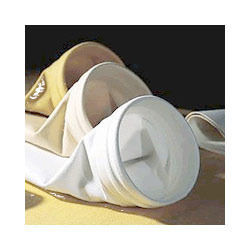
Tell us about your requirement

Price:
Quantity
Select Unit
- 50
- 100
- 200
- 250
- 500
- 1000+
Additional detail
Mobile number
Email

More Products in Filter Division Category
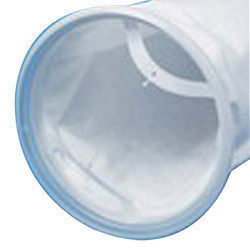
Paint Filter Cloth
Price 10 INR / Square Meter
Minimum Order Quantity : 1 Piece
Application : Food Industry
Surface Treatment : Polished
Material : Stainless Steel
Hole Shape : Round Hole Triangle Hole
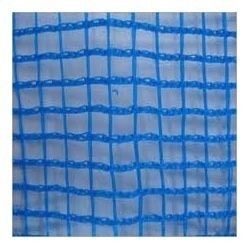
HDPE Mesh
Price 13 INR / Square Meter
Minimum Order Quantity : 1 Piece
Application : Decoration, Food Industry
Surface Treatment : Painted
Material : Other
Hole Shape : Square Hole
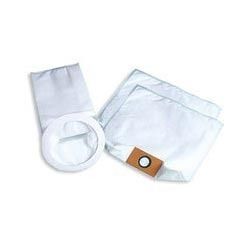
Non Woven Filtration Media
Price 15 INR / Square Meter
Minimum Order Quantity : 1 Piece
Application : Filters
Surface Treatment : Other, Thermally Bonded / Heat Sealed
Material : Other
Hole Shape : Square Hole
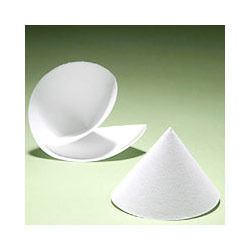
Filter Paper
Price 14 INR / Square Meter
Minimum Order Quantity : 1 Piece
Application : Filters, Food Industry
Surface Treatment : Other, Smooth Surface
Material : Other
Hole Shape : Square Hole

 Send Inquiry
Our Products
- Agro Shade Net
- Cloth Tape
- Filteration Item
- Industrial Mesh
- Safety Net
- Shaft Sleeve
- UV Stabilized Film
- Wire Netting Division
- Filter Division
- Screen Printing Division
- High Temperature Fabrics
- Gardening Nets
- Safety Nets
- Packaging Nets
- Nets for Agricultural Industry
- Filter Division for Textile Industry
- Wire Netting Division for Garden Fencing

3621, Chawri Bazar, Near Loha Bhawan, Near UCO Bank,Delhi - 110006, India

Mr Kshitij Gupta
(Partner)
Mobile :07313725994
 Send Inquiry
 Send SMS
Developed and Managed by Infocom Network Private Limited.
