Call us now :07313725994
 Send Inquiry
 Send Inquiry
Geosynthetic Fabrics
Price 10 INR/ Square Meter
MOQ : 1 Square Meter
Geosynthetic Fabrics Specification
- Aperture
- Varies, typically 0.2 mm to 10 mm
- Length
- 100 Millimeter (mm)
- Surface Treatment
- Polished
- Hole Shape
- Square Hole
- Product Type
- Geosynthetic Fabric
- Mesh Type
- Geotextile / Geogrid
- Mesh Style
- Woven or Non-woven
- Material
- Other
- Application
- Food Industry
- Dimensions
- Available in rolls, width 1-6 meters, Length as required
- Weight
- Typically 100-600 GSM, custom available
- Color
- Black, White, or Custom
- Tensile Strength
- Up to 100 kN/m or as specified
- Chemical Resistance
- Resistant to acids, alkalis, and organic solvents
- Manufacturing Process
- Woven or Needle-punched Non-woven
- Roll Length
- 50-200 meters as standard; customizable
- Permeability
- High water flow rate (depends on product type)
- Thickness
- 0.5 mm to 3 mm depending on grade
- UV Resistance
- High / As per ASTM D4355
- Temperature Range
- -30C to 80C
- Seam Strength
- As per product specification or customer requirement
- Elongation at Break
- <25% for woven, <50% for non-woven
Geosynthetic Fabrics Trade Information
- Minimum Order Quantity
- 1 Square Meter
- Payment Terms
- Cash on Delivery (COD), Cash in Advance (CID), Cheque, Cash Advance (CA)
- Supply Ability
- 100 Square Meters Per Day
- Delivery Time
- 1 Days
- Main Export Market(s)
- Australia, North America, South America, Eastern Europe, Western Europe, Middle East, Africa, Central America, Asia
- Main Domestic Market
- All India
Geosynthetic Fabrics About
Gardening nets are versatile tools that protect plants from pests and harsh weather, and can also manage sunlight for optimal growth. Made from materials like high-density polyethylene (HDPE), they are available as fine-mesh "insect netting" or broader "shade netting" with varying degrees of shade (e.g., 50% or 75%). Benefits include physical protection, UV resistance, moisture retention, and the ability to adjust growing conditions to promote healthier and higher yields.
Types of gardening nets
- Shade Net:
- Purpose: To protect plants from intense sunlight and heat.
- Mechanism: Blocks a percentage of sunlight (e.g., 50%, 75%, 90%) to prevent scorching and excessive heat buildup.
- Benefits: Helps maintain moisture and can lead to better crop health and quality.
- Insect Net:
- Purpose: To create a physical barrier against insects, birds, and other pests.
- Mechanism: A fine-mesh net that prevents pests from reaching plants.
Superior Performance and Customization
Geosynthetic fabrics deliver reliable mechanical strength and adaptability, whether woven or non-woven. Users can specify roll lengths, thicknesses, colors, and mesh apertures to precisely match their requirements. These fabrics are offered in a range of weights and dimensions, ideal for large-scale infrastructure projects and specialized industrial applications alike.
Exceptional Resistance and Durability
Engineered to resist environmental stress, acids, alkalis, and organic solvents, these fabrics maintain integrity in harsh settings. They also offer high UV stability-tested to ASTM D4355 standards-making them suitable for both indoor and outdoor installations, reducing maintenance frequency and extending service life.
Diverse Applications and Advantages
Their robust structure, permeability, and tailored design enable use in food processing, geotextile reinforcement, filtration, drainage, and soil stabilization. Available in widths from 1 to 6 meters and customizable roll lengths, these fabrics are distributed, manufactured, and supplied throughout India by trusted providers.
FAQ's of Geosynthetic Fabrics:
Q: How are geosynthetic fabrics typically used in the food industry?
A: Geosynthetic fabrics are employed in the food industry for separation, filtration, and reinforcement applications. Their chemical resistance and high permeability ensure safety and efficiency in environments requiring strict hygiene and durability.Q: What benefits do woven and non-woven geosynthetic fabrics offer?
A: Woven fabrics provide higher tensile strength and lower elongation at break (<25%), suitable for reinforcement, while non-woven types offer greater flexibility and higher elongation (<50%), ideal for filtration and cushioning. Both excel in resisting chemicals, UV exposure, and extremes of temperature.Q: When should I choose customized roll length or mesh specifications?
A: Custom roll lengths (50-200 meters or as needed) and mesh sizes are ideal when project parameters demand precise dimensions or performance, accommodating unique site conditions, installation constraints, or specialized industry needs.Q: Where can these geosynthetic fabrics be installed?
A: These fabrics are suitable for use in food processing zones, geotechnical engineering (such as soil stabilization, drainage), infrastructural foundations, and wherever high durability and controlled permeability are essential. They are widely available across India through distributors, manufacturers, and suppliers.Q: What manufacturing processes are used for these fabrics?
A: Geosynthetic fabrics are produced through either weaving for higher strength or needle-punching (non-woven) for increased flexibility and permeability. Surface treatments, including polishing, further enhance their application-specific properties.Q: How do geosynthetic fabrics benefit engineers and project managers?
A: The fabrics speed up project timelines thanks to ease of installation and customizable dimensions. Their durability minimizes long-term maintenance, while compliant seam strength and UV resistance ensure performance longevity in demanding environments.Q: What should I consider when selecting the right geosynthetic fabric for my application?
A: Key factors include required tensile strength, elongation at break, permeability, roll dimensions, chemical and UV resistance, and specific application (such as filtration or reinforcement). Consult with your supplier for recommendations based on your industry and project needs.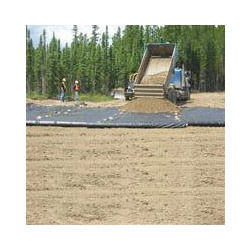
Tell us about your requirement

Price:
Quantity
Select Unit
- 50
- 100
- 200
- 250
- 500
- 1000+
Additional detail
Mobile number
Email

More Products in Gardening Nets Category

Garden Fencing Nets
Price 10 INR / Square Meter
Minimum Order Quantity : 1 , , Piece
Material : , Other
Hole Shape : Round Hole Triangle Hole
Application : Food Industry, Solar Industry
Length : 1030 Millimeter (mm)
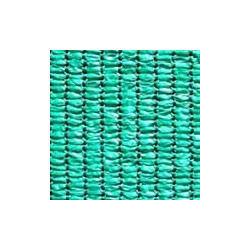
Greenhouse Agro Shade Net
Price 12 INR / Square Meter
Minimum Order Quantity : 1 Piece
Material : PE, Other
Hole Shape : Square Hole
Application : Food Industry
Length : 50100 Millimeter (mm)
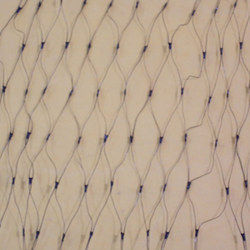
Anti Bird Nets
Price 12 INR / Square Meter
Minimum Order Quantity : 1 , , Piece
Material : Other, Nylon
Hole Shape : Round Hole Triangle Hole
Length : 50 Meter (m)
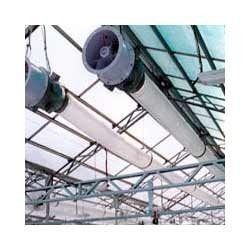
UV Stabilized Net
Price 10 INR / Square Meter
Minimum Order Quantity : 1 Piece
Material : Iron
Hole Shape : Square Hole
Application : Food Industry, Solar Industry

 Send Inquiry
Our Products
- Agro Shade Net
- Cloth Tape
- Filteration Item
- Industrial Mesh
- Safety Net
- Shaft Sleeve
- UV Stabilized Film
- Wire Netting Division
- Filter Division
- Screen Printing Division
- High Temperature Fabrics
- Gardening Nets
- Safety Nets
- Packaging Nets
- Nets for Agricultural Industry
- Filter Division for Textile Industry
- Wire Netting Division for Garden Fencing

3621, Chawri Bazar, Near Loha Bhawan, Near UCO Bank,Delhi - 110006, India

Mr Kshitij Gupta
(Partner)
Mobile :07313725994
 Send Inquiry
 Send SMS
 Call Me Free
Developed and Managed by Infocom Network Private Limited.
